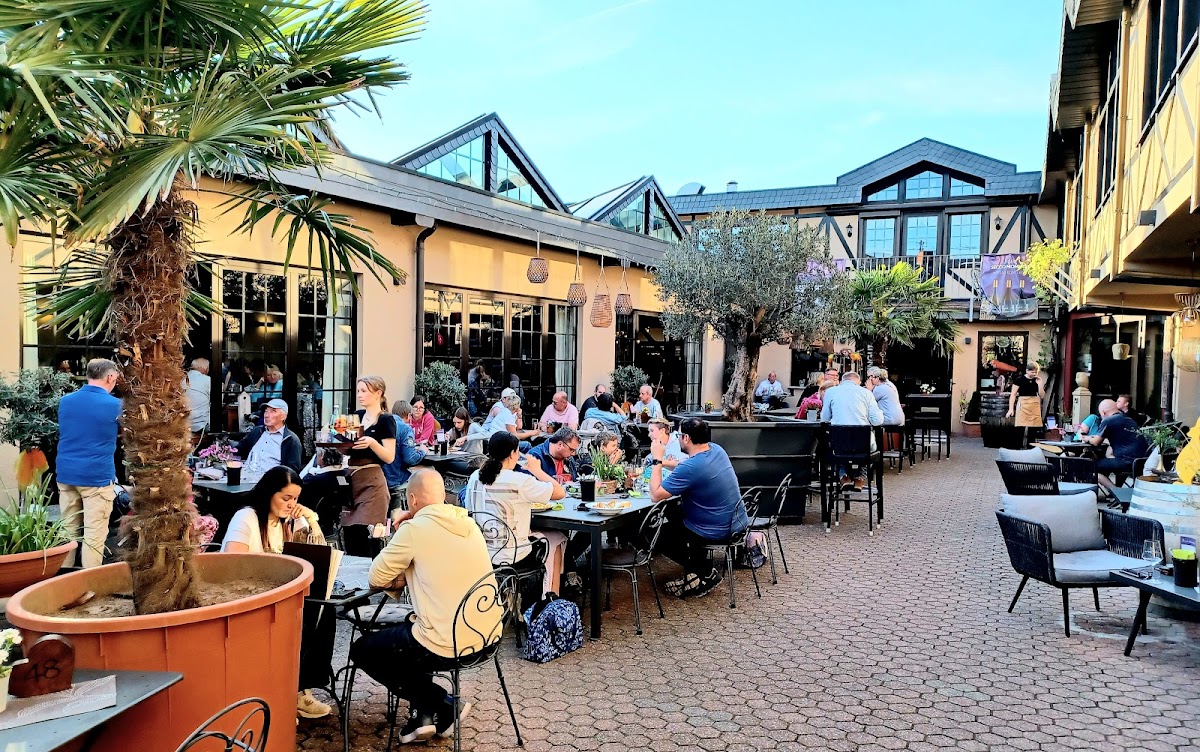
An amazing place, the unique atmosphere of which is created by a unique space, and above all, the owners of the place and the wine bar. If you are in the Rhineland and want to try the best Resling - you've come to the right place. For lovers of sweet wines - Chancellor, Bacchus or Juwel will be an excellent choice.
Overview
Walking up the gravel drive to Weingut Hildegardishof, the first thing that hits you is how calm the place feels, even though you’re just minutes from the bustle of Bingen am Rhein. The estate sits near Ockenheimer Ch 12, 55411 Bingen am Rhein, Germany, surrounded by tidy rows of vines that slope gently toward the Rhine. I’ve visited a lot of wine-focused restaurants in Rheinhessen, but this one stands out because it feels lived-in rather than staged, like you’re being welcomed into someone’s working home rather than a polished showroom.
Inside the tasting room and dining area, the menu keeps things refreshingly honest. Instead of chasing trends, it leans into regional cooking that pairs naturally with the house wines. On my last visit, I ordered a seasonal platter with local cheese, cured meats, and fresh bread, and the staff suggested a Silvaner from their own vineyard. The pairing made total sense; the wine’s crisp acidity cut through the richness of the food, which is exactly what good food-and-wine balance is supposed to do. According to research shared by the German Wine Institute, Rheinhessen producers focusing on terroir-driven whites have seen a steady rise in international recognition over the last decade, and tasting here makes that statistic feel very real.
What really adds depth to the experience is how openly the team talks about their process. One of the winemakers explained how they limit yields per vine to improve grape concentration, a method backed by viticulture studies from Geisenheim University, one of Germany’s most respected wine research centers. You can see this care reflected not only in the glass but also in how the menu is structured. Dishes rotate with the seasons, which means the kitchen can rely on fresh, nearby ingredients rather than forcing the same plates year-round. It’s a small detail, but it shows a level of thought that many restaurant reviews mention as a reason people return.
Service here feels personal without being overbearing. When I asked about the difference between two Rieslings on the list, the answer wasn’t a rehearsed sales pitch but a clear explanation of soil types, harvest timing, and flavor profiles. That kind of clarity builds trust, especially for guests who might not be wine experts. As one regular at the next table put it, this place teaches you without making you feel dumb, which is probably why it attracts both locals and travelers exploring the Rhine Valley.
Location-wise, it’s easy to combine a visit here with a day of sightseeing. After lunch, I’ve walked off a meal by heading toward the river or driving a short distance into Ockenheim’s vineyards. Many reviews mention how convenient the setting is for wine tourism, and I agree. Still, it’s fair to note that opening hours can vary depending on the season or harvest schedule, so checking ahead is smart if you’re planning around a tight itinerary.
From a broader perspective, Hildegardishof fits into a growing movement of wine estates doubling as casual dining spots. Industry data from the German Tourism Association shows that culinary tourism in wine regions has grown by over 20 percent in recent years, largely because places like this offer more than just a meal. You’re getting context, craftsmanship, and conversation all at once. If you’re the kind of diner who values authenticity over flash and enjoys understanding what’s on your plate and in your glass, this is one of those spots that quietly earns its reputation without trying too hard.
Good to know
Service options
✓ Outdoor seating ✓ Dine-in ✓ DeliveryHighlights
✓ Great coffee ✓ Great wine listPopular for
✓ Lunch ✓ Dinner ✓ Solo diningAccessibility
✓ Wheelchair-accessible car park ✓ Wheelchair-accessible entrance ✓ Wheelchair-accessible seating ✓ Wheelchair-accessible toiletOfferings
✓ Alcohol ✓ Beer ✓ Coffee ✓ Healthy options ✓ Late-night food ✓ Private dining room ✓ Quick bite ✓ Small plates ✓ Spirits ✓ WineDining options
✓ Lunch ✓ Dinner ✓ Dessert ✓ Seating ✓ Table serviceAmenities
✓ Bar on site ✓ ToiletAtmosphere
✓ Casual ✓ Cosy ✓ Historic ✓ Romantic ✓ Trendy ✓ UpmarketCrowd
✓ Groups ✓ TouristsPlanning
✓ Lunch reservations recommended ✓ Dinner reservations recommended ✓ Accepts reservationsPayments
✓ Credit cards ✓ Debit cards ✓ NFC mobile payments ✓ Credit cardsChildren
✓ Good for kids ✓ High chairs ✓ Kids' menuParking
✓ Free of charge street parking ✓ Free parking lot ✓ ParkingPets
✓ Dogs allowedPhotos
1 / 4
Location
Reviews
- No ratings yet 351 reviews
A wonderful German vineyard and restaurant, great atmosphere, good wine and food, a little hidden, suitable to go with the whole family, including dogs, nice to sit outside in summer and cozy for cold, gloomy winterevenings.
„Schön, dass Sie da sind….“ ist hier nicht nur ein Wort. Wir waren heute mit 6 Personen zu Gast (wortwörtlich). Vom Service über die Beratung zu den Weinen und die Freundlichkeit war alles Perfekt. Auf eine verlängerte Wartezeit wurden wir aufmerksam gemacht. Dass das Fleisch vom Metzger kommt und die Küche nicht 08/15 kocht man hier und wenn dann der Service selber merkt, dass der Camenbert nicht den Ansprüchen des Hauses genügt, dann ist das fünf Sterne wert. Wir kommen wieder.
Der Hildegardishof ist immer einen Besuch wert. Das Essen so wie der Wein sind einfach nur lecker! Das Servicepersonal ist jederzeit freundlich, zuvorkommend und hilfsbereit. Man fühlt sich hier wohl und verweilt gerne.
Dieses Weingut verfügt über eine breite Palette ausgezeichneter Weine und präsentiert wahre Schätze im Glas. Die Temperatur der verkosteten Weine passte nicht immer; der Weißwein teilweise zu kalt und der Rotwein zu warm. Das Speisenangebot ist vergleichsweise klein - was per se Nachteil sein muss. Einige Gerichte passen jedoch nicht zu den außergewöhnlichen Weinen wie beispielsweise Bratwurst mit Curry-Soße oder Hamburger. Der Service ist ausgezeichnet und auch das Ambiente spricht an.
De som is meer dan de losse getallen samen. LEGE MAAG Ondereg naar huis over de A61 is Boppard vaak een stopplaats. Ondanks onze eigen leeftijd vinden we deze stad toch wel iets te gedateerd in de horeca. Leve Google. WEIN GUT Afrit Bingen, en 5 minuten later Hildegardishof. Enkele generaties wijnmakers welke een mooi blend van wijnmaken, drinken en eten aanbieden. Een leuke entree met binneplaats. ETEN Ik (Schnitzel), deze was goed gebakken is maar niet de uitstraling heeft van een Wienschnitzel. De lieve is hier voor wijn maar met 1-2 euro extra kan een mooie schweinsschnitzel op tafel staan. De salade was heerlijk. Zij ( Flammkucke), een ronde! en deze was heerlijk. DRINKEN Witte wijn, Riesling en Weissburgunder, beiden heerlijk en dus twee dozen mee in de auto. LIEFDE De eigenares is een interessante trotse dame met liefde voor haar bedrijf en de wijn. Haar dochter is ook al enthousiast. Tot snel
Wir waren mit einer Gruppe zum Essen dort und haben à la carte gegessen. Die Gerichte waren sehr appetitlich angerichtet und geschmacklich sehr gut. Die Portionen üppig, sodass das Preis-Leistungsverhältnis gestimmt hat. Der Service war sehr nett und freundlich. Es wären wahrscheinlich mehr Getränke geordert worden, wenn öfters mal jemand vom Service nach uns geschaut hätte. Die Location ist toll, wunderschönes Ambiente und ein großer Parkplatz direkt am Haus.
Ich bin komplett begeistert von diesem wundervollen Weingut. Erlesene Weine, alles liebevoll eingerichtet, leckeres Essen und ein Familienbetrieb, der seine Leidenschaft lebt und liebt. Ich war bei einer Weinwanderung dabei, konnte viele Fragen stellen und die Aussicht in den Weinbergen und natürlich den Wein geniessen. Es hat mir richtig gut gefallen. Danke dafür.